
Many Singaporeans continue to rely on TCM as part of their cultural heritage and health maintenance. TCM practices have become deeply embedded in the Singaporean community and have been passed down through generations, reflecting its enduring significance in daily life.
As we navigate 2025, the landscape of wellness in Singapore is undergoing a profound transformation. Traditional Chinese Medicine (TCM) is no longer confined to herbal halls; it’s evolving, merging millennia-old wisdom with cutting-edge innovation. Singaporeans are now seeking smarter, more personalized, and holistic approaches to health. TCM’s holistic approach and focus on preventive care are now well established within Singapore’s healthcare system, contributing to holistic health outcomes for the population. The importance of market share and regional analysis is increasingly recognized in understanding the expansion of TCM across key regions in Singapore. The popularity of TCM in Singapore can be traced back to the arrival of Chinese migrants in the 19th and early 20th centuries, which laid the foundation for its integration into the local culture.
The main trend for Traditional Chinese Medicine (TCM) in Singapore in 2025 is the integration of evidence-based TCM therapies into the public healthcare system through a sandbox initiative. The goal of the sandbox initiative is to gather evidence on treatment outcomes, safety, and cost-effectiveness, potentially leading to future subsidies and MediSave coverage for TCM treatments. The TCM Practitioners Board plays a crucial role in regulating and licensing practitioners in Singapore, ensuring professional standards and public trust. In Singapore, TCM integration with Western medicine is facilitated by the Traditional Chinese Medicine Practitioners Act and the establishment of the TCM Practitioners Board, which ensure that only qualified practitioners are licensed.
Integration of TCM into the healthcare system is further supported by national initiatives such as the Healthier SG program and other government-led efforts to promote TCM. The Singapore government continues to play a significant role in supporting TCM integration, with national initiatives like Healthier SG driving the acceptance and regulation of TCM. The TCM Practitioners Board and MOH are developing an accreditation system to recognize practitioners who meet higher professional standards, which may be a prerequisite for the Healthier SG scheme.
The transformation of the TCM landscape is shaped by evolving market dynamics, steady growth, and market growth within the sector, influenced by strong government support and rising consumer demand. In this year-in-review, we explore the TCM trends of 2025 that are not just gaining traction but are fundamentally reshaping how we think about preventative care and holistic well-being. The aging population in Singapore contributes to the growing demand for TCM services due to perceptions of fewer side effects compared to pharmaceuticals.
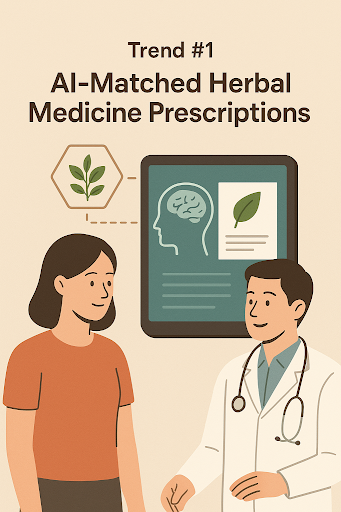
The one-size-fits-all approach to herbal medicine is becoming a thing of the past. The biggest of the TCM innovations in 2025 is the use of Artificial Intelligence to create hyper-personalized herbal prescriptions. By analyzing vast datasets of TCM classics, clinical research, and individual patient diagnostics (like tongue and pulse analysis via apps), AI can identify the most effective herbal combinations for a person’s unique constitution. These technologies also derive valuable insights from clinical data and patient outcomes, informing better TCM prescriptions and improving overall treatment strategies. Younger generations are increasingly open to TCM due to social media, wellness trends, and better education on its benefits, further driving the adoption of these innovations. This openness among younger demographics is fostering a new wave of interest and innovation in the TCM sector.
Collaborations with institutions such as Nanyang Technological University are advancing evidence based TCM treatments by leveraging biological sciences to validate and modernize TCM practice, supporting the integration of TCM with Western medicine and strengthening the scientific foundation of regulated TCM practice in Singapore. The Ministry of Health in Singapore promotes collaborative research between public health and TCM institutions to enhance TCM’s role in healthcare. Proposals under the sandbox initiative include using acupuncture for migraines and post-stroke rehabilitation, and incorporating Chinese Proprietary Medicines (CPMs) for gastrointestinal disorders, chronic pain, and cancer-related care. The Ministry of Health established the Traditional Chinese Medicine Research Grant in 2014 to encourage such collaborative research efforts.
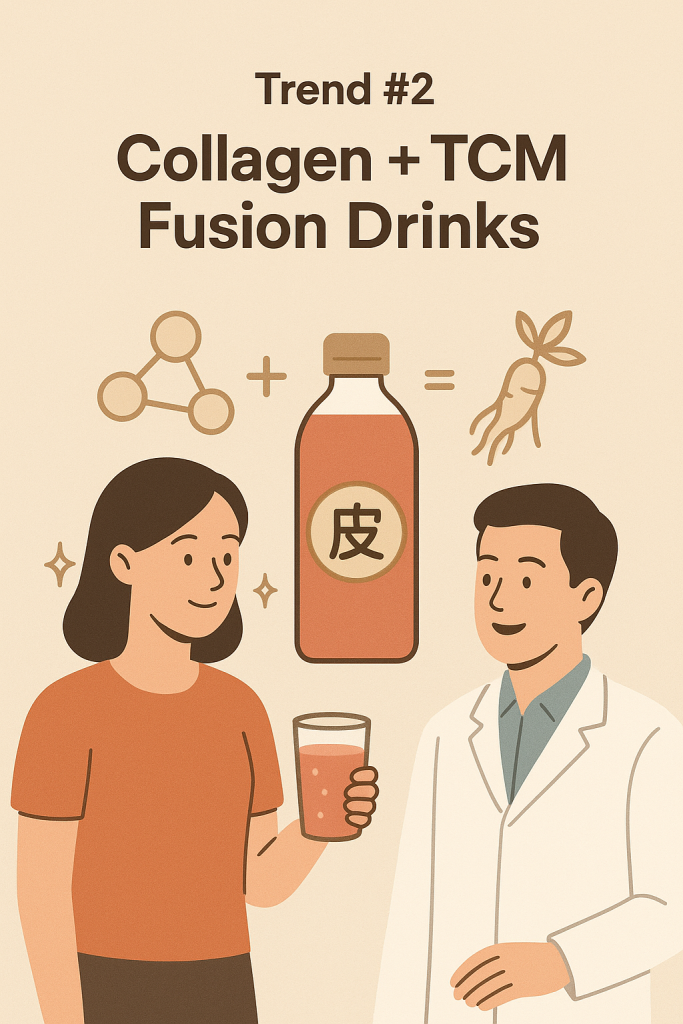
Beauty and wellness are now two sides of the same coin. In 2025, the most popular Singapore herbal medicine trends are found in convenient, powerful drinks that fuse modern beauty science with TCM principles. Consumers are moving beyond single-ingredient solutions to sophisticated blends where traditional herbs like Gou Qi Zi (Goji Berry) and Ling Zhi (Reishi Mushroom) are paired with hydrolyzed collagen and hyaluronic acid. Health supplements and herbal remedies that incorporate TCM are becoming increasingly popular among consumers seeking modern wellness solutions, with products now available as capsules, powders, and ready-to-drink options to fit contemporary lifestyles. New product formats like capsules and ready-to-drink bottles are being adopted to appeal to a younger demographic. Leading chains such as Eu Yan Sang and Eu Yan have modernized TCM retail experiences in Singapore, making herbal products and supplements more accessible and convenient than ever.
These trends reflect how TCM is being integrated into modern society and contemporary wellness culture.

The heightened awareness of immune health is a permanent fixture. The focus has shifted from reactive to proactive, with individuals seeking long-term immune modulation rather than just a quick fix. TCM, with its philosophy of strengthening the body’s defensive Qi (Wei Qi), is perfectly positioned to meet this demand. In Singapore, TCM plays a significant role in preventive healthcare and health maintenance, especially in the management of chronic diseases and chronic conditions, by promoting ongoing wellness and disease prevention. The integration of TCM in clinical practice for chronic conditions is supported by regulatory frameworks that help manage potential risks associated with herbal medicines and acupuncture.
Acupuncture provides a non-pharmaceutical alternative for patients who did not achieve desired outcomes from drug treatments or experienced adverse effects from medications. Clinical research and systematic reviews have demonstrated the efficacy and cost effectiveness of acupuncture and Chinese Proprietary Medicines (CPMs) in managing various diseases, supporting their use in Singapore’s healthcare system. Acupuncture and CPMs are becoming essential in managing various chronic diseases in Singapore. TCM clinics are seeing more patients seeking treatment options for chronic conditions, reflecting the growing acceptance and accessibility of these therapies.
Herbs that support the Lung and Spleen systems, the pillars of immunity in TCM, are more sought-after than ever. TCM practitioners and TCM physicians often work alongside Western doctors in multidisciplinary healthcare settings to provide comprehensive care, including collaborative approaches for fertility treatments. Patients receive acupuncture using fine needles as part of complementary therapies, which are integrated with other modalities to achieve better health outcomes.
Your Go-To Solution: This trend is exactly why our Lao Xie Zhen (by Hao Yi Kang) Collagen Beauty Essence and Lao Xie Zhen (by Hao Yi Kang) Pure Drip Chicken Essence remains a cornerstone of modern wellness routines.
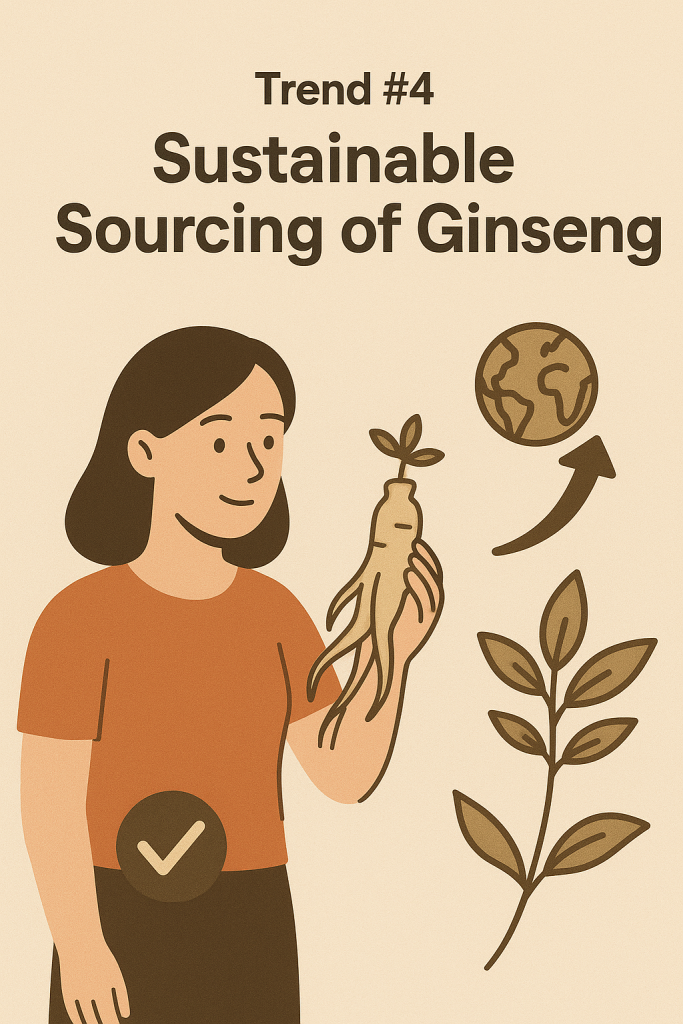
Conscious consumerism has reached the TCM industry. In 2025, savvy Singaporeans are not just asking what is in their supplements, but where and how the ingredients were sourced. There is a growing demand for ethically wild-crafted or sustainably farmed Ginseng, with full transparency about its origin. The importance of sourcing high-quality raw herbs is now emphasized, with regulatory standards in place to ensure the safety and composition of these herbal materials. The Ministry of Health (MOH) is evaluating 18 proposals to integrate more TCM treatments into public healthcare institutions under a controlled sandbox environment. A $5 million TCM Development Grant supports the training of practitioners and clinic staff, further ensuring the industry’s growth and alignment with modern healthcare standards. This grant also facilitates IT adoption and modernization of services, ensuring the sector remains competitive and efficient.
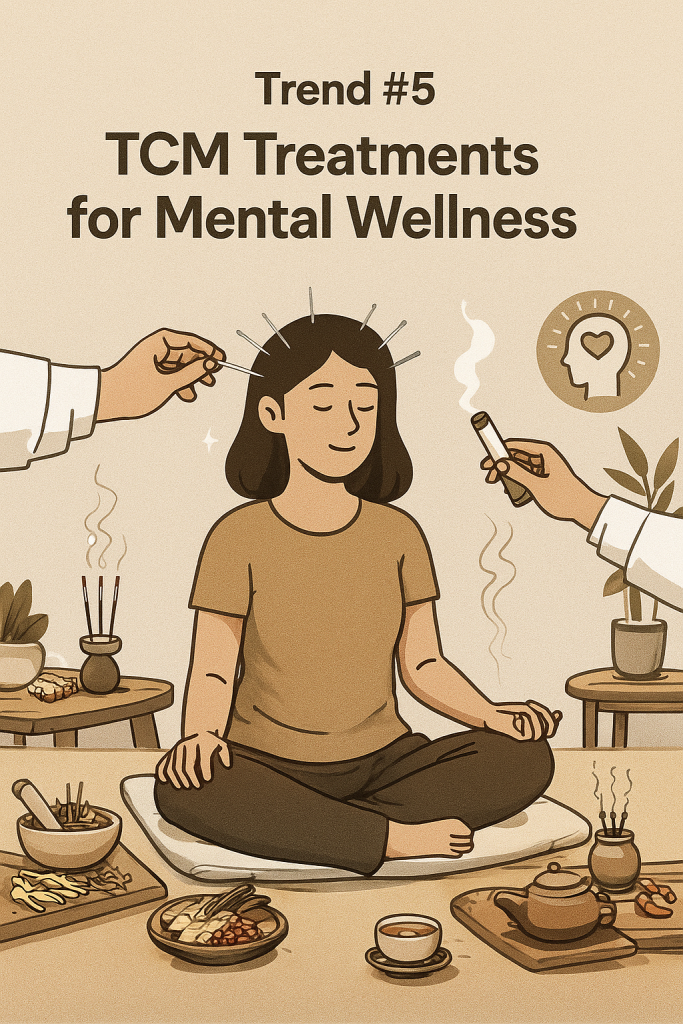
The conversation around mental health is expanding, and TCM offers a unique, non-stigmatized pathway to emotional balance. In 2025, TCM for mental wellness is a major trend, with herbs known for “calming the spirit” (Shen) and “soothing the Liver Qi” (associated with stress and frustration) taking center stage. TCM is increasingly used for stress management and pain management, especially among younger generations who are seeking holistic wellness solutions that address both mind and body. There is a growing consumer interest in holistic and preventive healthcare, leading more people to seek TCM therapies for chronic conditions, stress, insomnia, and immunity.
Stay Ahead of the Trends with Hao Yi Kang.
The future of TCM is here, blending ancient wisdom with modern needs. As these TCM trends of 2025 show, holistic, personalized, and conscious wellness is the way forward.
Explore our innovative product lines, from collagen fusions to stress-supporting blends, and experience the new era of TCM for yourself.
Browse Our 2025 Collection Here
The top TCM trends for 2025 include personalised herbal prescriptions, immunity-focused tonics, stress and sleep support formulas, women’s health TCM solutions, gut health therapies, premium essence products, and digitalised TCM health consultations.
TCM is growing because more Singaporeans prefer natural, preventive wellness solutions. Rising interest in immunity, stress relief, holistic health, and science-backed TCM formulations has accelerated the trend.
High-demand TCM remedies include chicken essence, cordyceps formulas, lingzhi-based immunity blends, herbal sleep aids, and gut-strengthening herbal tonics. These align with consumer needs for energy, immunity, and stress relief.
Modern TCM is evolving through data-driven diagnostics, standardised herbal formulations, premium extraction technologies, and convenient ready-to-drink formats. These innovations make TCM more accessible for younger consumers.
Yes. Many natural TCM supplements support immunity, vitality, stress management, and long-term wellness when taken consistently. Popular choices include cordyceps, lingzhi, and premium chicken essence.
Chicken essence remains a leading TCM supplement in 2025 for boosting energy, supporting immunity, improving postpartum recovery, and enhancing daily stamina. Premium slow-stewed formulas are especially popular.
Consumers look for transparent sourcing, premium ingredients, traditional extraction methods, scientific validation, and reputable brands. Ready-to-drink formats and additive-free formulas are preferred.